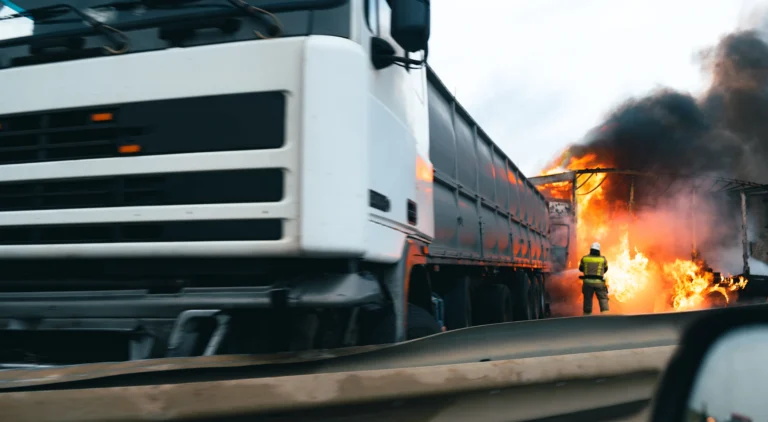


A major traffic disruption occurred Friday afternoon in southern Dallas after a semi-truck hauling trash overturned on Interstate 20, blocking multiple lanes and scattering debris across the roadway.
According to CBS News Texas, the crash happened around 11:25 a.m. in the eastbound lanes of I-20 near Bonnie View Road. The overturned truck spilled large amounts of trash onto the highway and into a nearby culvert, creating hazardous driving conditions and prompting an extended cleanup.
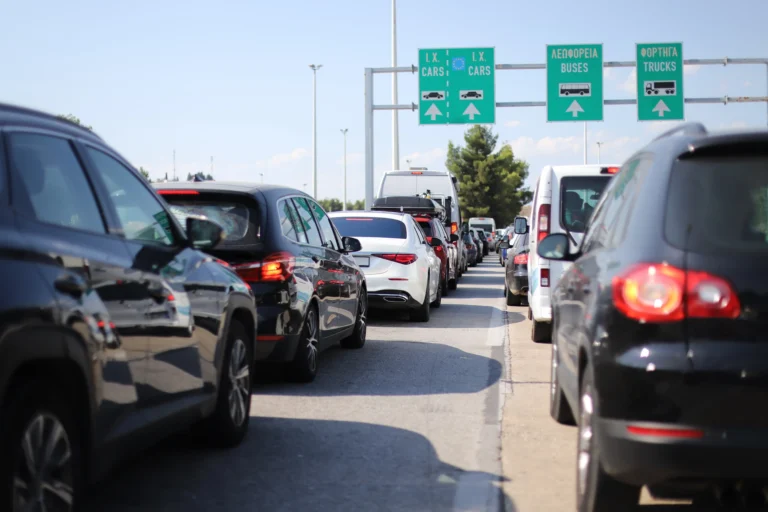
By 3:00 p.m., two left lanes remained closed, though earlier in the day, three lanes had been blocked entirely, forcing traffic into a single right lane. Texas Department of Transportation traffic maps showed backups stretching more than four miles west to I-35E, significantly impacting drivers heading into the weekend and the holiday travel period.
Aerial footage from the CBS News Texas Chopper showed mounds of debris lining the roadway as crews worked to clear the scene. The Dallas County Sheriff’s Office confirmed that no injuries were reported and that no other vehicles were involved in the crash. Officials noted that removing the truck and the debris it was hauling would take several hours before traffic could fully reopen.
What Happens When a Commercial Truck Overturns on a Dallas Highway?
Commercial truck accidents don’t need to involve multiple vehicles to cause serious problems. The I-20 rollover demonstrates how a single truck accident can shut down a major highway, create dangerous conditions for other drivers, and raise important legal questions.
At The Burkett Law Firm, our Corpus Christi truck accident lawyers are here to answer your questions and help you protect your rights.
Why Semi-Truck Rollovers Are Especially Dangerous
Trucks hauling trash, construction materials, or other heavy loads are more prone to rollovers due to their size and weight distribution. These crashes often occur because of:
- Shifting or improperly secured cargo
- Excessive speed for traffic or road conditions
- Sudden turns or abrupt lane changes
- Driver fatigue or distraction
- Mechanical failures, including brake or tire issues
When a truck overturns, spilled debris can remain a hazard long after the initial crash, increasing the risk of secondary accidents.
Liability in a Commercial Truck Rollover
Even when no injuries are immediately reported, legal responsibility may still exist. Determining liability requires a close look at how the truck was operated and maintained. Potentially responsible parties may include the truck driver, the trucking company, cargo loaders, or third-party maintenance providers.
Texas law allows individuals who suffer injuries, vehicle damage, or other losses due to a commercial truck accident to pursue compensation when negligence is involved.
The Ongoing Danger of Highway Debris
Debris left on the roadway can create serious risks for unsuspecting drivers. Trash and loose materials may cause tire blowouts, sudden swerving, or loss of control—particularly for motorcyclists and smaller vehicles. In some cases, accidents occur hours later, after traffic resumes, but the roadway is not fully cleared.
What Drivers Should Do After a Truck Accident or Debris-Related Incident
If you are injured or your vehicle is damaged in a commercial truck accident or debris spill, taking the right steps early can protect your health and legal rights. This includes seeking medical attention, documenting the scene if it is safe to do so, and obtaining a crash report. Speaking with a truck accident attorney before dealing with insurance companies can also be critical.
How The Burkett Law Firm Can Help
Commercial truck accidents are complex. They often involve federal trucking regulations, multiple insurance carriers, and aggressive defense teams working to limit liability. The Burkett Law Firm has experience handling these cases and understands how to investigate truck rollovers, identify responsible parties, and pursue full compensation for those affected.
If you or a loved one has been impacted by a commercial truck accident in Dallas, speaking with an experienced attorney can help you understand your options and next steps.