

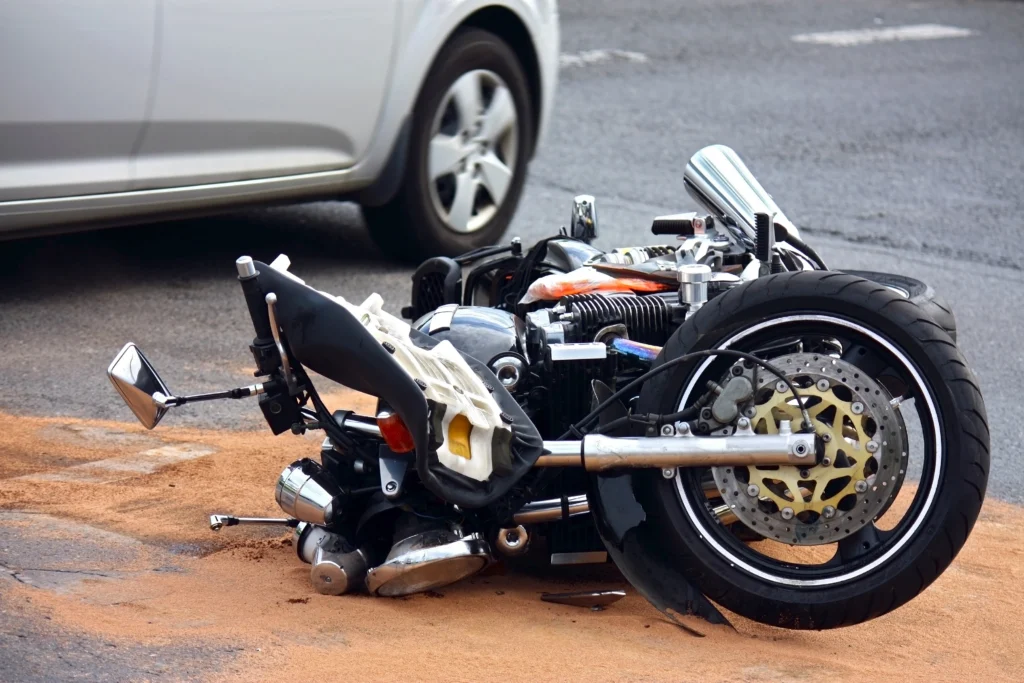
Left-turn collisions are among the most hazardous motorcycle accidents we encounter on Texas roads, particularly in Corpus Christi. In a matter of seconds, a driver at an intersection can turn left across a rider’s path, misjudge the motorcycle’s speed or distance, and leave no time for the rider to react.
While it might seem like proving fault is simple, Texas traffic law requires left-turning drivers to yield; real-world cases are often more complex.
Insurance companies often question visibility, speed, rider behavior, and signaling to reduce the compensation victims deserve. As a motorcycle accident lawyer in Corpus Christi , we know how to cut through these defenses. Here is how we prove fault, gather key evidence, anticipate common defenses, and build a case that holds up in court and at the negotiation table.
Why Left-Turn Motorcycle Crashes Happen So Often
Many of these accidents occur due to human error and visual limitations:
- Drivers look but fail to see motorcycles due to their smaller size.
- Oncoming bikes are often misjudged in terms of speed or distance.
- A-pillars, parked vehicles, or overgrown vegetation may obstruct views.
- Distractions at intersections delay a driver’s reaction.
- In heavy traffic, some drivers take risky chances by turning into small gaps.
- Drivers make rushed decisions during yellow lights, expecting motorcycles to slow down.
As a Corpus Christi injury attorney, we understand how these factors shape both the accident and the insurance company’s efforts to place blame on the rider. Our experience enables us to anticipate and prepare a thorough defense against these tactics.
Understanding Texas Law: The Duty to Yield on Left Turns
Texas law is clear: drivers turning left must yield to oncoming traffic that is close enough to be a hazard. This duty to yield is central to most left-turn motorcycle crash cases. When a driver turns and collides with a motorcyclist who had the right of way, the turning driver is typically at fault.
However, insurers try to challenge that assumption. They may argue the motorcyclist was speeding, was not properly positioned in their lane, or was difficult to see. That is why we act fast to collect hard evidence to protect your claim from the start.
The 51 Percent Bar Rule and Comparative Fault
Texas uses a comparative fault rule, which means your compensation can be reduced if you share blame for the crash. If the insurance company can prove you were 51 percent or more responsible, you recover nothing. That is why insurance adjusters quickly look for any reason to assign blame to the rider .
We see them argue things like:
- The rider was speeding
- The rider was lane-splitting
- The motorcycle was not using a headlight at dusk
We fight back with facts. Our role as your Corpus Christi, TX motorcycle accident attorney is to make sure your level of fault stays below 51 percent—ideally, at zero.
What We Must Prove in a Left-Turn Case
To succeed in your case, we must establish four elements:
- Duty – The turning driver had a legal duty to yield to oncoming traffic.
- Breach – The driver did not yield or turned when it was unsafe to do so.
- Causation – That breach of duty directly caused your crash and your injuries.
- Damages – You suffered real losses, such as medical expenses, lost wages, or pain and suffering.
Each of these is supported by evidence. The more objective and thorough the proof, the harder it becomes for insurers to deny responsibility or undervalue your claim.
Evidence That Helps Win Motorcycle Accident Cases
We prioritize gathering specific types of evidence that clearly establish fault and support damages:
- Police crash reports – These include witness statements, diagrams, citations, and initial fault assessments.
- Intersection video footage – From city traffic cameras, business surveillance, or residential doorbell cameras.
- Dashcam video – From your bike or from helpful drivers at the scene.
- Vehicle and bike damage – Paint transfer, scrape marks, and damage patterns show angles and impact speed.
- Skid marks and gouge marks – Roadway evidence like this helps confirm where and how the crash occurred.
- Event Data Recorder (EDR) or ECM data – Shows the car’s pre-crash speed, braking, and throttle use.
- Helmet cam or GPS app data – Tracks your exact speed, route, and timestamps.
- Visibility gear and lighting – Proof you used headlights, reflective clothing, or high-visibility gear.
- Intersection design data – Includes signal phasing, lane layouts, and line-of-sight measurements.
- Medical records and injury photos – Link your injuries directly to the crash and track your recovery.
Why Acting Quickly Preserves Your Case
Evidence can vanish in days or weeks. We take the following steps immediately after a crash:
- Send preservation letters to the driver’s insurer, local businesses, and city traffic departments requesting that video and data be saved.
- Photograph the crash scene, including tire marks, debris, and visibility obstacles.
- Encourage clients to document daily pain levels, symptoms, and activity limitations.
- Ensure motorcycles and riding gear are preserved for expert inspection.
- Gather contact info from witnesses and preserve their statements.
This early action protects your claim before insurers have a chance to manipulate the facts.
Strategies for Proving the Driver’s Breach of Duty
We use proven tactics to demonstrate that the driver’s decision to turn was unsafe:
- Timeline reconstruction – We align 911 calls, surveillance video, and phone data to show your right of way.
- Visibility analysis – We measure sightlines and demonstrate that the driver had a clear view of you.
- Expert testimony – Human factors experts explain why the driver should have noticed the motorcycle under normal conditions.
- Speed verification – Using EDR data and frame-by-frame video analysis, we disprove exaggerated speed claims.
- Traffic signal logs – We request official data to confirm you entered the intersection on a green or permissive light phase.
Preparing for the Most Common Insurance Defenses
Insurers often try to shift blame onto the rider. We anticipate and counter these tactics:
- “The rider was speeding.” We refute this with EDR data, roadway evidence, and video analysis.
- “I never saw the motorcycle.” We show open sightlines, your lane position, and your visibility gear.
- “The rider was lane-splitting.” Lane-splitting is not legal in Texas, but we show it did not occur through crash scene data.
- “The rider ran a red or yellow light.” Signal timing data and video prove you entered safely.
- “No helmet, shared fault.” While helmet use is critical for safety , it rarely affects fault in the crash itself. It may influence damages tied to head injuries but does not justify a left-turn violation.
Damages We Can Pursue
We fight for full compensation, including:
- Emergency room treatment, surgery, and physical therapy
- Future medical needs and mobility aids
- Lost wages, reduced earning capacity, and job retraining
- Motorcycle repairs or replacement
- Pain, suffering, mental anguish, and loss of enjoyment
- Disfigurement, disability accommodations, or home modifications
- In rare cases, punitive damages when the driver’s conduct was grossly unsafe
We support these claims with thorough documentation, expert opinions, and real-time injury tracking.
The Clock Is Ticking: Statute of Limitations in Texas
Texas allows two years from the date of your crash to file a personal injury lawsuit. But do not wait. Video footage and electronic data are often erased within days or weeks. Fast action strengthens your negotiating position.
What Makes Motorcycle Cases Different
Motorcycles face unique challenges in these cases:
- Riders are often overlooked due to their narrow profile.
- Drivers tend to underestimate the speed of motorcycles due to visual illusions.
- Left-turning drivers usually focus on cars or trucks, ignoring motorcycles approaching in the same space.
We explain these risks clearly to adjusters and juries using scaled diagrams, sightline photography, and expert testimony.
Step-by-Step: How We Build Your Case
- Get immediate medical care and follow your provider’s treatment plan.
- Report the crash and obtain a copy of he police report.
- Preserve your bike, helmet, and gear in the condition they were in immediately after the crash.
- Request video footage from nearby cameras.
- Send preservation letters to ensure data is not deleted.
- Track your symptoms, missed workdays, and physical limitations.
- Meet with a Corpus Christi injury attorney to begin legal coordination.
- Avoid giving recorded statements to insurers until we help organize the facts.
How We Help You Recover More
As a personal injury lawyer in Corpus Christi, we understand how to:
- Secure video, crash data, and eyewitness statements quickly
- Work with reconstruction specialists and medical experts
- Translate complex findings into compelling stories for jurors
- Project future medical costs and income loss accurately
- Pressure insurance companies with detailed, trial-ready case files
Our preparation often results in better settlements and verdicts, as we are prepared to go the extra mile if needed.
Case Themes That Move Juries and Adjusters
- “See before you turn.” The driver had time and space to recognize the motorcycle.
- “Right of way is not optional.” The law is clear: yielding to oncoming traffic is required.
- “Let the data speak.” Dashcams, timestamps, and traffic logs are more reliable than memory.
- “Motorcycles are not invisible.” Riders have every right to occupy their lane safely.
After a Crash: What You Can Do Right Away
- Take care of your health. Even mild soreness can signal internal injuries.
- Photograph the scene from the driver’s viewpoint to show what they should have seen.
- Ask businesses nearby if they have cameras and how long they retain footage.
- Save ride data from apps or devices without editing it.
- Keep all medical receipts and documents in one organized location.
- Do not repair or dispose of your helmet or gear until we have reviewed and documented all necessary information.
FAQs About Left-Turn Motorcycle Crashes in Texas
Is the driver always at fault in a left-turn motorcycle crash?
Often, yes. Texas law requires drivers to yield. Still, insurers may argue the rider shared blame.
What if I was slightly over the speed limit?
That does not automatically bar recovery. What matters is whether your fault is 51 percent or more. We often disprove these claims using accurate data.
Do I have to wear a helmet to recover compensation?
Helmet use is important but usually does not affect crash liability. It may influence damages tied to head injuries, but not who caused the collision.
How long do I have to file a claim?
You generally have two years from the crash date, but it is advisable to act quickly to preserve footage and data.
Can I handle this without a lawyer?
While you technically can, handling evidence, expert opinions, and legal defenses requires experience. We bring the skill, resources, and focus to present a strong, well-supported case.
Contact a Motorcycle Accident Lawyer in Corpus Christi Today
If you were injured because a driver turned left across your lane, you need someone who will take fast, thorough action. We do not wait; we investigate right away, preserve time-sensitive data, and build the kind of case that wins.
As a dedicated motorcycle accident lawyer in Corpus Christi, we understand how insurance companies operate and know how to effectively advocate for our clients.
Contact us today for a complimentary consultation. Let us help you recover the compensation you deserve for your injuries, lost wages, and suffering. You are not alone, and we are ready to stand with you.
